Stock temperature monitoring
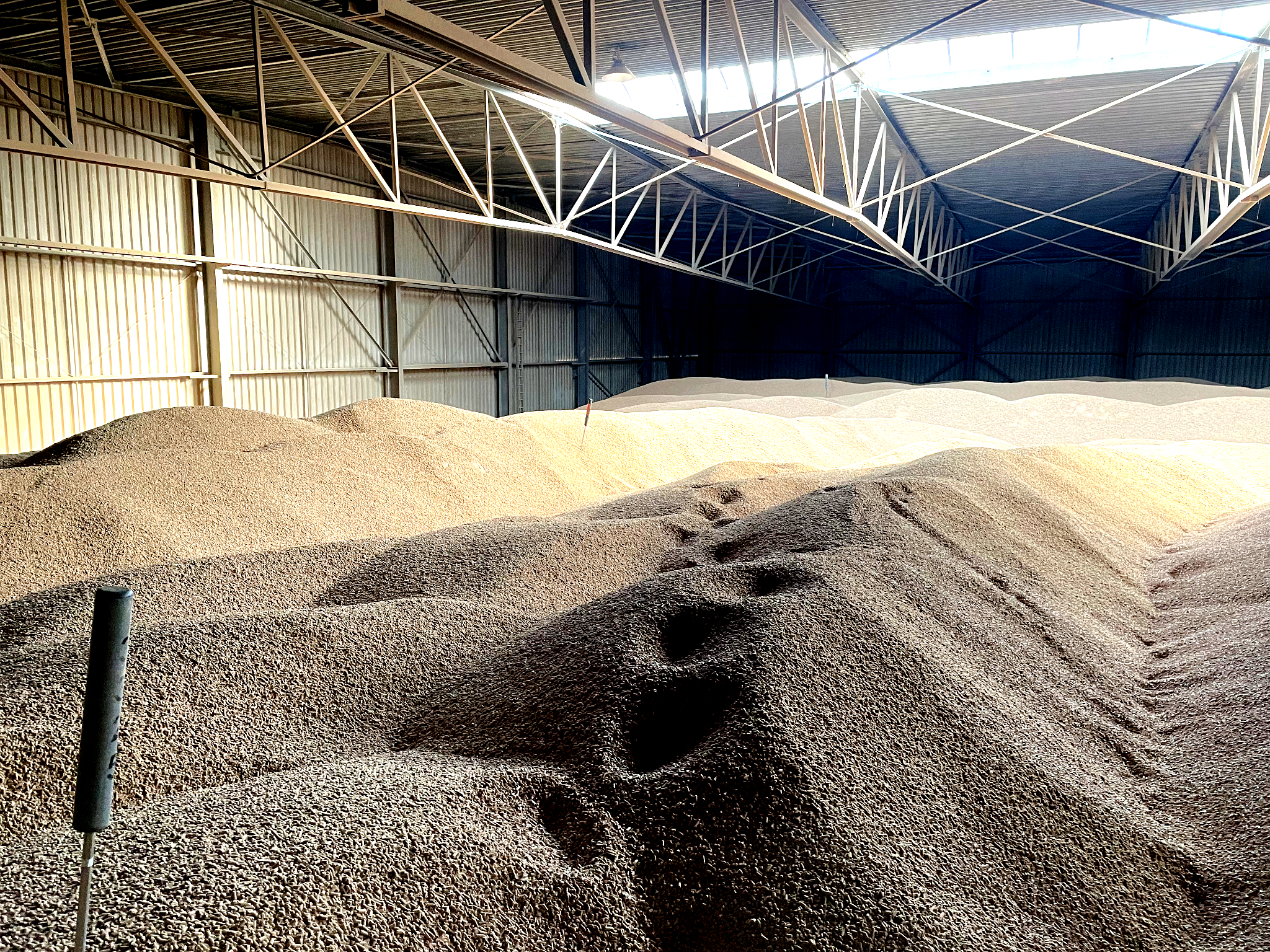
Stock temperature monitoring supports the condition of stored bulk commodities through continuous tracking of temperature developments. The service helps identify self‑heating, hotspots and abnormal temperature patterns at an early stage, supporting timely intervention and helping limit damage, product loss and safety risks. Cargo owners and storage operators gain the insight needed to act before issues escalate.

Compliance through draft survey
At Peterson, we operate from an independent, accredited position in the supply chain, providing organisations with a verified basis for condition monitoring and risk management. Over ten years of continuous 24/7 stock temperature monitoring across biomass, feed, food and coal have contributed to strong operational expertise.
These accredited monitoring services translate into timely anomaly detection, reliable trend data and documented compliance that supports insurer and stakeholder requirements.
Protect stored cargo with control & insight
Early detection of hotspots & self‑heating
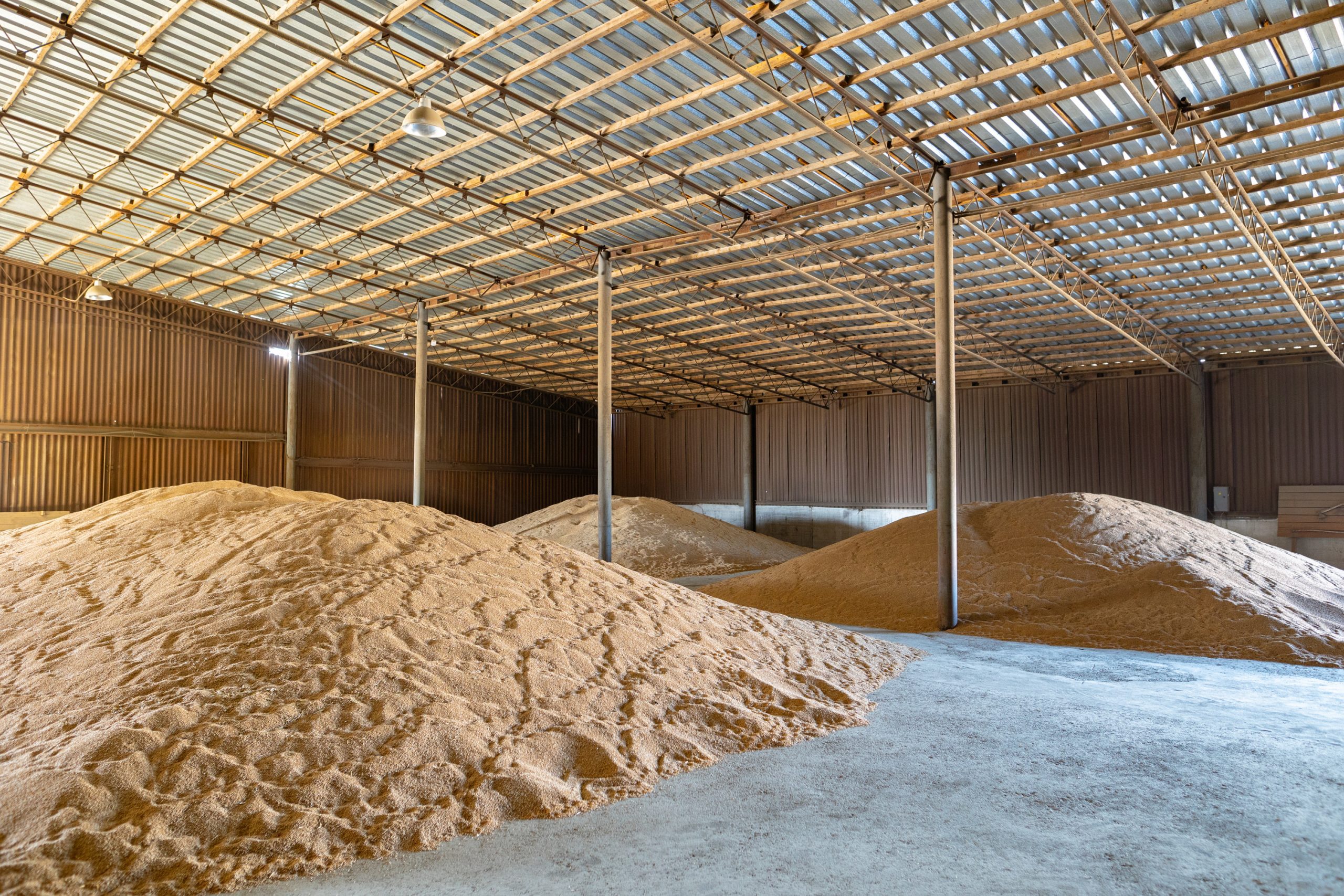
Continuous temperature data reveals developing hotspots and abnormal heating trends at an early stage, supporting preventive action before combustion or product degradation occurs.
Lower cost than manual measurement rounds
Installed probes replace weekly inspector visits with handheld measurements. Automated data collection reduces manual effort while delivering continuous observation instead of periodic snapshots.
Demonstrable surveillance for insurers
Insurers of warehouses storing high‑risk cargoes require evidence of active monitoring. A permanent system with logged data provides documented monitoring records and supports insurance compliance.
Safer operations in hazardous atmospheres
Commodities such as wood pellets can deplete oxygen in enclosed warehouses. Probes monitor conditions without personnel entering hazardous spaces, reducing the need for manual entry and associated safety equipment.
Optional gas measurement & monitoring
Where risk profiles require it, CO, CO₂, CH₄ and H₂ sensors can be added alongside temperature probes, extending condition monitoring beyond temperature alone.
Peterson is more than logistics
Quality assurance through active partnership
Stock temperature monitoring provides continuous condition oversight, combining automated alerts with expert review to support safe and compliant bulk cargo storage.
-
Configurable alarm thresholds trigger automatic notifications at critical temperatures, supporting timely response before conditions deteriorate.
-
Specialists review temperature data once or twice per week, identifying trends that may warrant further attention beyond automated alerts.
-
Stock temperature monitoring integrates with logistical coordination and laboratory analysis, bringing condition monitoring, cargo handling and quality testing together through one partner.

Trust well placed
Ask us anything
Read our frequently asked questions here.
Get in touch with our customs services experts
Request a quotation or freely discuss any question? Please fill out the form below and we will get back to you a.s.a.p.

"*" indicates required fields



Your trusted supply chain partner
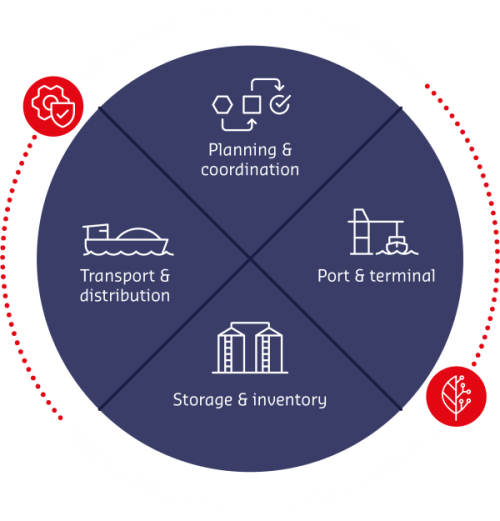
From planning, transportation and distribution, warehousing, inspections, certifications, testing and sustainability consultancy. You can trust your supply chain with us.
Supply chain solutions
Peterson drives the supply chain forward. Smart, sustainable, and future-oriented.
Where in the supply chain can we help?





What’s your industry?
Deep industry experience built over generations.
How can we help strengthen your supply chain?